

Cats are endlessly curious creatures, and for many of us, our homes and gardens are filled with beautiful plants. But what if those pretty leaves or colourful flowers pose a hidden threat to our feline friends? Unfortunately, many common plants are highly toxic to cats, and if ingested, can quickly turn a peaceful afternoon into an emergency.
This article is your essential guide. We’ll help you identify dangerous plants, recognise the signs of poisoning, and most importantly, know exactly what to do if you suspect your cat has eaten something they shouldn shouldn’t have.
Why Cats are Attracted to Plants
Cats are naturally drawn to plants for a few reasons. Sometimes, it’s their instinct to chew on greenery, perhaps to aid digestion or just out of boredom. Even if they don’t actively eat a plant, pollen or sap can easily get onto their fur, which they then ingest during grooming. The biggest problem is that many owners simply aren’t aware of the dangers lurking in their own homes or gardens.
Top Toxic Plants for Cats
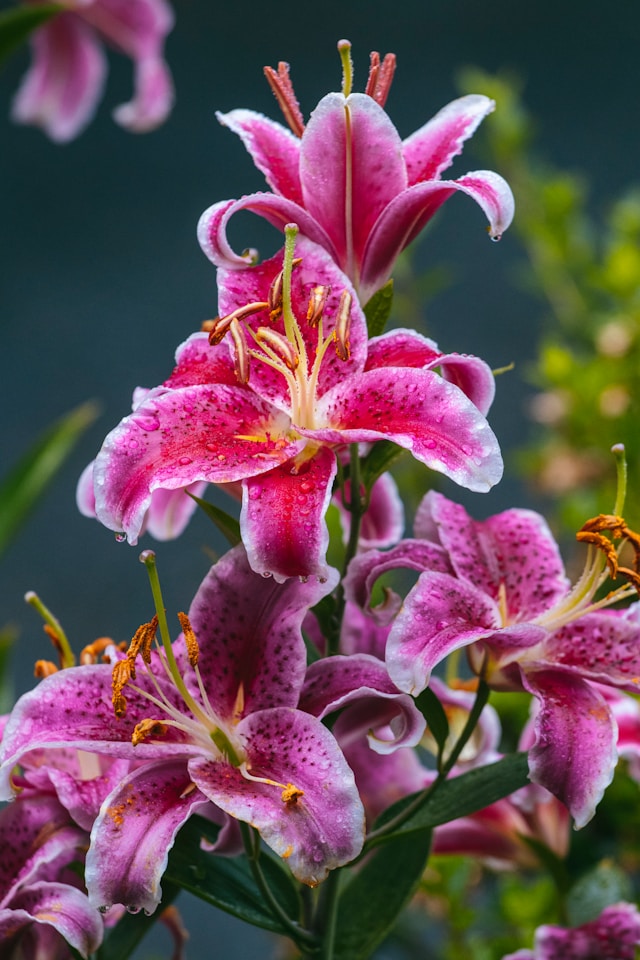
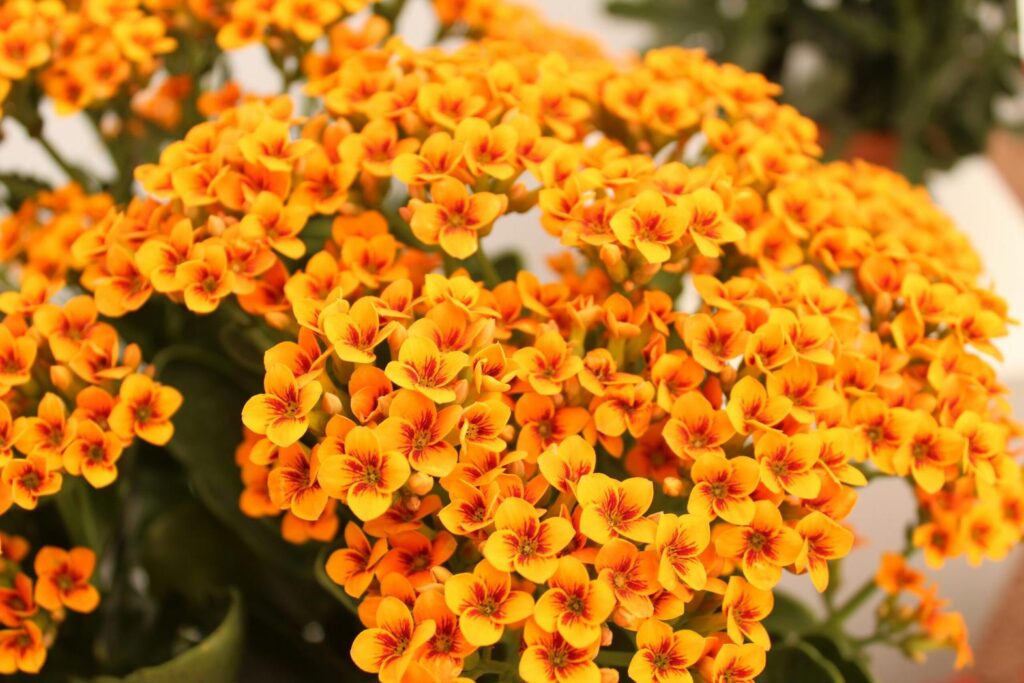




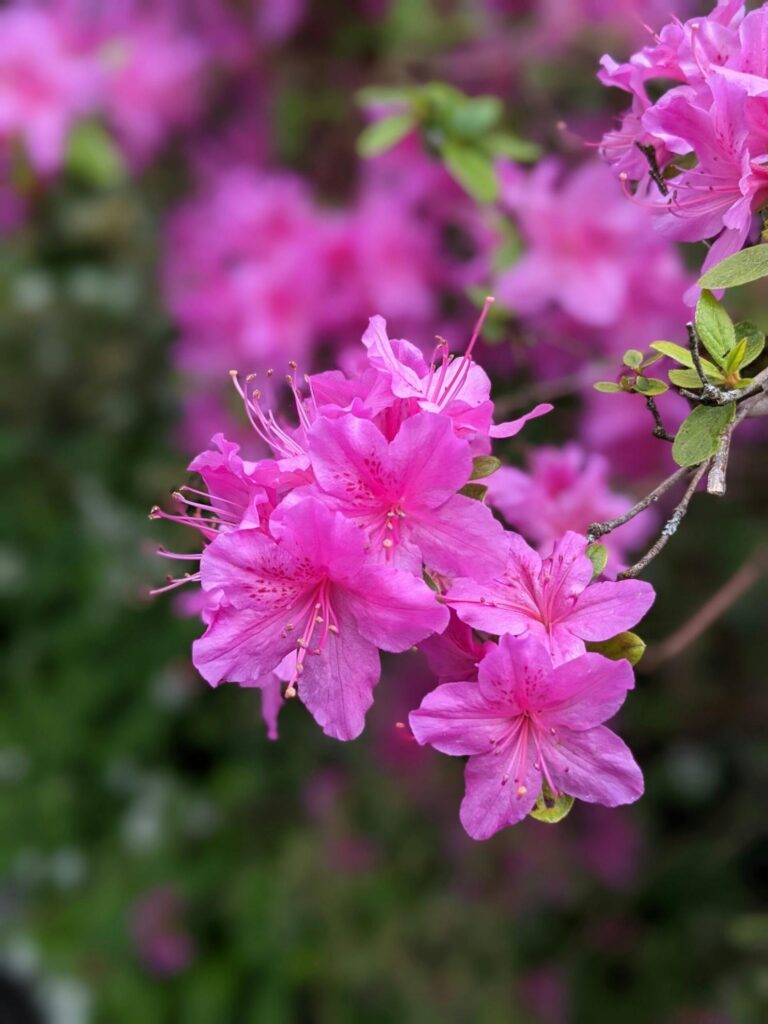
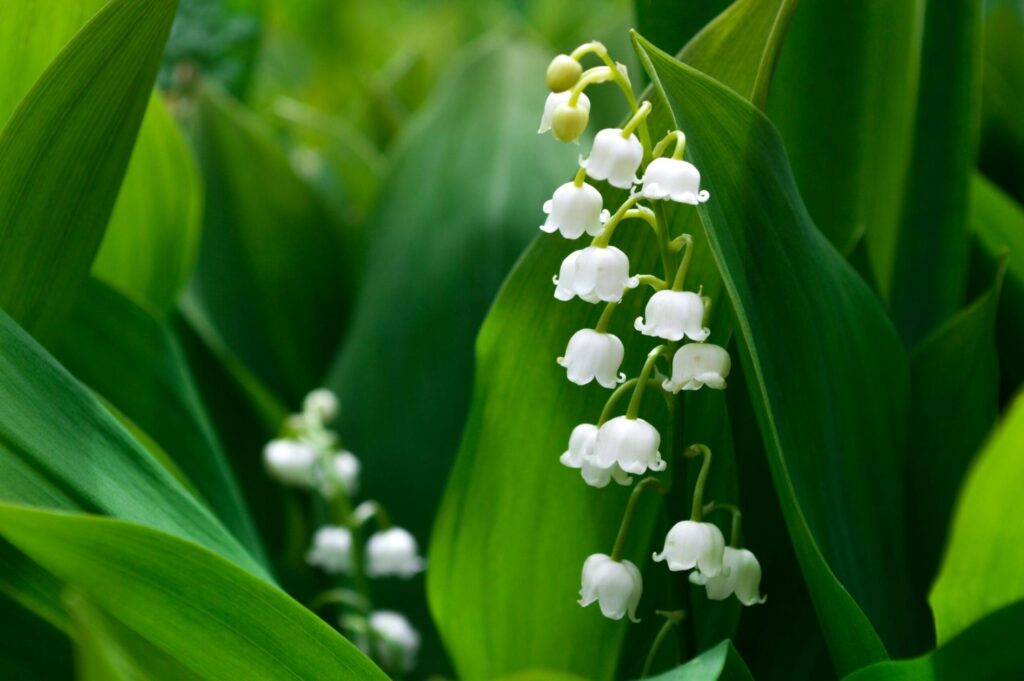


Knowing which plants are hazardous is the first step in prevention. Here are some of the most common and dangerous plants you should be aware of.
Highly Dangerous Life-Threatening Plants
These plants can cause severe, life-threatening reactions, even in small amounts.
- Lilies True lilies (Lilium spp.) and daylilies (Hemerocallis spp.) are extremely toxic. Even a tiny amount of pollen, a few licks of water from a vase, or nibbling on a leaf can lead to acute kidney failure. This is one of the most common and deadliest plant toxicities for cats.
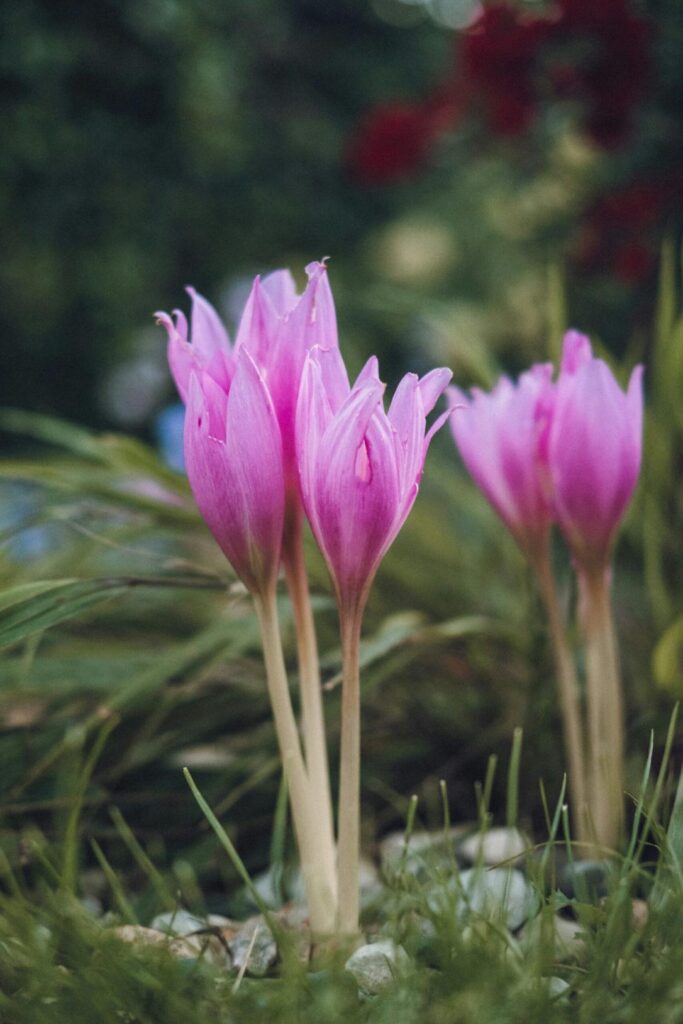
- Autumn Crocus Every part of this plant is toxic, causing severe multi-system effects.
- Sago Palm All parts are poisonous, but the seeds (or “nuts”) are particularly dangerous, often leading to liver failure.
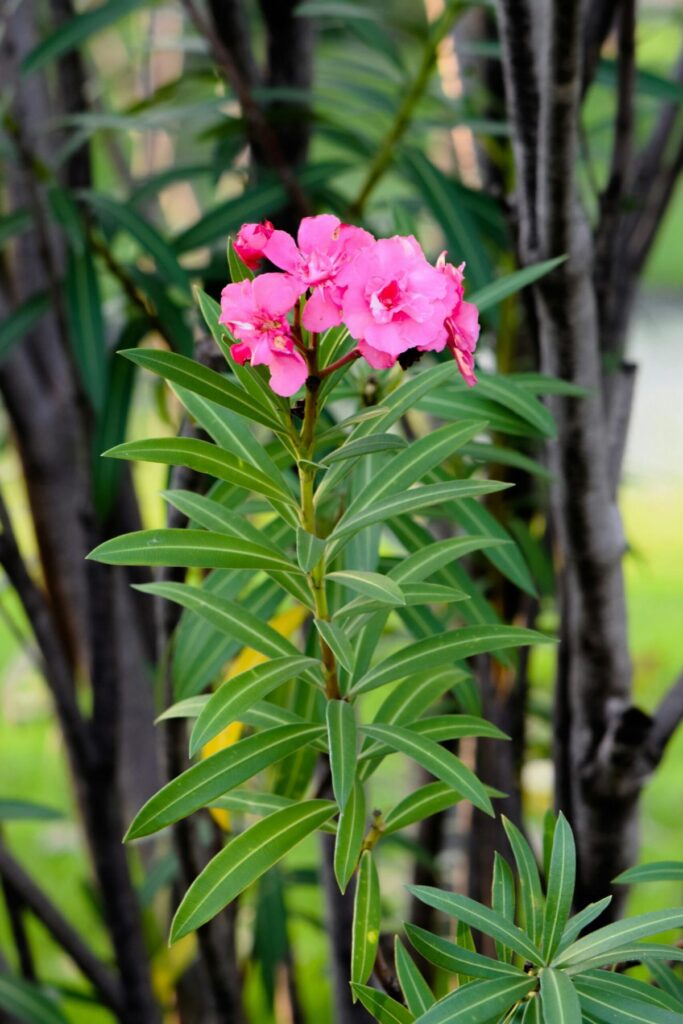
- Oleander This plant affects the heart, and even small ingestions can be severe.
- Lily of the Valley Like oleander, this plant can also seriously affect your cat’s heart.
Common Toxic Plants that Cause Illness
These plants can cause significant illness and distress, requiring immediate veterinary attention.
- Azaleas and Rhododendrons Ingestion can lead to vomiting, diarrhoea, and even cardiovascular problems.
- Tulips and Hyacinths The bulbs are the most toxic part, causing severe gastrointestinal upset.
- Daffodils All parts, especially the bulbs, can cause vomiting, diarrhoea, convulsions, and heart rhythm disturbances.
- Chrysanthemums While mildly toxic, they can still cause gastrointestinal upset.
- Kalanchoe Can cause vomiting, diarrhoea, and potentially heart arrhythmias.
- Philodendron, Pothos, Peace Lily, Dieffenbachia and similar plants These contain insoluble calcium oxalates, which cause immediate and painful irritation to the mouth, leading to drooling, vomiting, and difficulty swallowing. While less toxic, the potential for airway swelling can make this an emergency.
- Aloe Vera Can cause vomiting, diarrhoea, and lethargy.
- Rhubarb The leaves are toxic and can lead to kidney issues.
Before bringing any new plant into your home, it’s always a good idea to check reliable sources like the ASPCA plant list or consult with your vet.
Recognising the Signs of Plant Poisoning in Cats
If your cat has ingested a toxic plant, they may show a range of symptoms. Knowing what to look for can help you act quickly.
Immediate or Acute Symptoms
- Vomiting
- Diarrhoea
- Excessive drooling
- Oral irritation
- Difficulty swallowing
- Lethargy and weakness
- Loss of appetite
- Abdominal pain
More Severe or Delayed Symptoms
These symptoms often indicate more serious organ damage and require immediate veterinary care.
- Increased or decreased urination
- Increased thirst
- Breathing difficulties (rapid or laboured breathing)
- Irregular heartbeat
- Tremors or seizures
- Coma
- Jaundice (yellowing of the skin or gums)
What to Do if You Suspect Your Cat Has Eaten a Toxic Plant
Act immediately – time is absolutely critical! Do not wait for symptoms to worsen.
- Secure Your Cat Calmly remove your cat from the plant and any remaining plant material.
- Identify the Plant If possible, take a clear photo of the plant, including leaves, flowers, and any berries. If safe, bring a small sample with you to the vet. Knowing the plant’s name is extremely helpful.
- Note the Quantity Ingested Try to estimate how much of the plant your cat might have eaten.
- Record the Time of Ingestion When do you think your cat might have eaten the plant?
- Call Your Emergency Vet Immediately Phone us straight away at 01243 765247. Provide all the information you’ve gathered. Follow our instructions precisely.
- Do not induce vomiting at home unless specifically told to by a vet. It can be dangerous and cause more harm.
- Do not give any home remedies without veterinary guidance.
Prevention is Key
The best way to protect your cat is to prevent them from coming into contact with toxic plants in the first place.
- Research Before You Buy Always check if a plant is safe before bringing it into your home.
- Keep Plants Out of Reach Place plants on high shelves, in hanging baskets, or in rooms that are inaccessible to your cat.
- Choose Safe Alternatives There are many beautiful plants that are safe for cats. You can also grow catnip or cat grass specifically for your feline friend.
- Provide Safe Chewing Options Offer plenty of cat-safe toys and chewable treats to redirect your cat’s natural chewing instincts away from your plants.
Your Vigilance Keeps Your Cat Safe
Understanding which plants are toxic and knowing what to do in an emergency can make all the difference. Your vigilance and quick action are vital in keeping your beloved cat safe and healthy.
If you have any concerns about your cat being affected by a toxic plant, please don’t hesitate to call The Lighthouse immediately at 01243 765247.


