
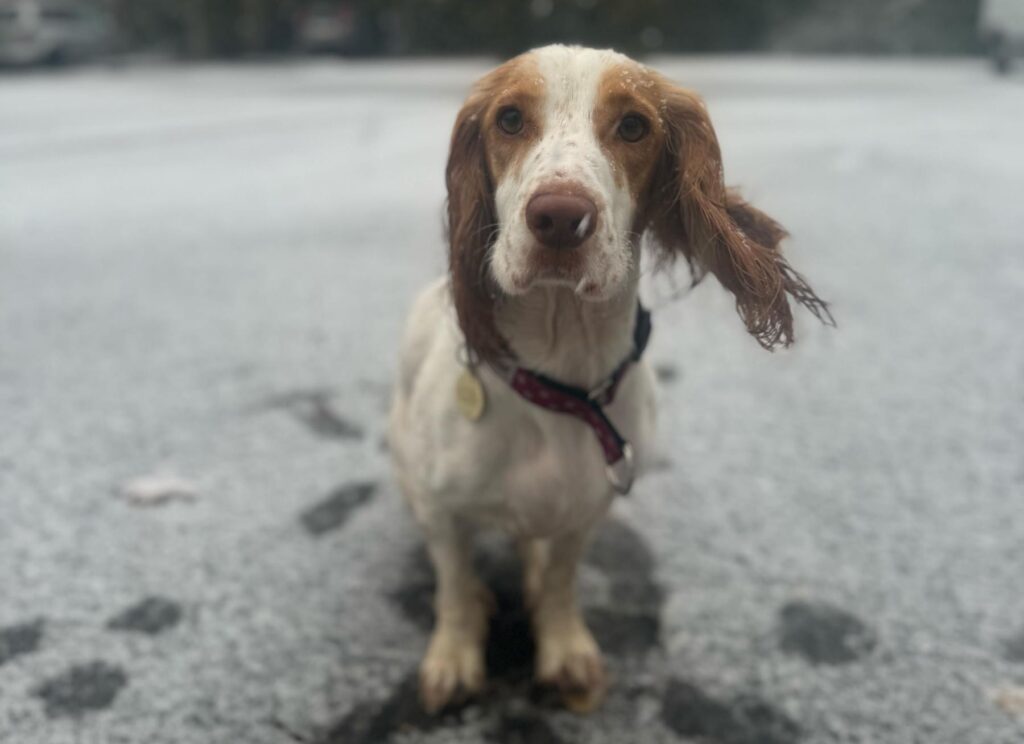
At The Lighthouse, we see a significant rise in critical cases as the temperature drops and the nights draw in. While winter is a season for enjoying the outdoors and cosy evenings at home, it introduces several serious, and often overlooked, dangers to our cats and dogs.
To help you avoid an unplanned visit to the emergency room, our clinical team has compiled this guide to the most common winter hazards.
Toxic Foods and Hidden Ingredients
Many household treats and pantry staples pose a severe threat to pets.
- Chocolate: The most frequent emergency calls we receive concern chocolate ingestion. The theobromine it contains is highly toxic, potentially causing tremors, seizures, and in severe cases, death.
- Xylitol: This common sugar-free sweetener found in sweets and baking ingredients can cause a rapid, life-threatening drop in blood sugar and liver failure.
- Grapes and Dried Fruits: Grapes, raisins, currants, and sultanas are highly poisonous to dogs. They can cause sudden, severe kidney failure, even in very small amounts.
Dangerous Household Items
- Toxic Plants: Lilies are exceptionally deadly to cats; even a small amount of pollen can lead to irreversible kidney failure. Other seasonal greenery like holly and mistletoe can cause significant vomiting and diarrhoea.
- Linear Foreign Bodies: Stringy items like ribbons, tinsel, or the netting used to truss meat joints are major hazards. If swallowed, they can “anchor” in the stomach and saw through the intestines as they pull taut. This is a life-threatening emergency requiring complex surgery.
- Antifreeze (Ethylene Glycol): As temperatures drop, antifreeze use increases. It has a sweet taste that attracts cats, but even a few drops can cause fatal kidney damage. Always clean up spills immediately and store bottles securely.
Outdoor Hazards and Visibility
- Paw Protection: Grit and road salt used to de-ice pavements can cause painful chemical burns to paw pads. We recommend wiping your dog’s paws with warm water after every walk.
- Low Visibility: With fewer daylight hours, the risk of road traffic accidents increases. Ensure your pet is visible with high-visibility gear or an LED collar.
- Warm Hiding Places: Cats often seek warmth under car bonnets near the engine. Make it a habit to tap your bonnet or honk the horn before starting your engine on cold mornings.
- Frozen Water: Never allow your dog to walk on frozen ponds or lakes. The ice is often thinner than it looks, leading to a risk of hypothermia or drowning. If a pet falls through, do not attempt a rescue yourself; contact the fire and rescue service immediately.
Physical Health in the Cold
Tiny pets, elderly animals, or those with short coats may struggle to maintain their body temperature. Consider a well-fitted coat for outdoor excursions to prevent hypothermia. Indoors, ensure that any climbing hazards or electrical wires (such as those for additional lighting) are secured to prevent falls or oral burns from chewing.
We Are Here When You Need Us
By staying vigilant regarding these common winter traps, you can help ensure your pets stay healthy and out of the hospital. However, accidents do happen, and time is of the essence in an emergency.
If you have any concerns, please do not hesitate to call us on 01243 765247 or visit us immediately.
The Lighthouse Vets are open 24/7, 365 days a year, providing expert emergency care when your primary vet is closed.


